
ChatGPT said:
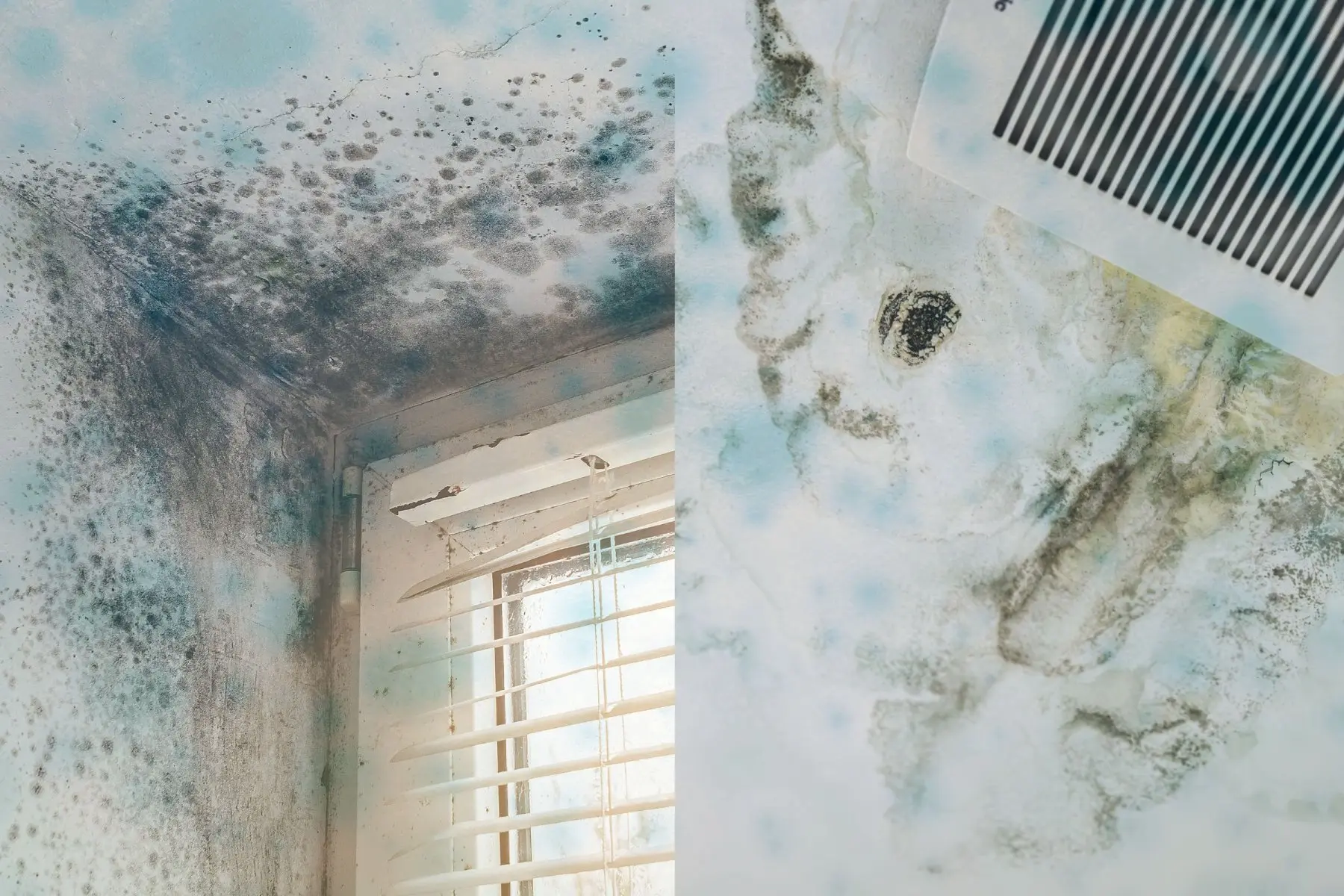
Mold growth in rental properties is a common concern that can affect both health and living conditions. Many tenants are unsure about their rights and how to handle the situation properly. Understanding the steps to take when mold appears helps renters protect themselves while maintaining a good relationship with their landlord. A fast mold inspection can provide clear evidence of a problem, ensuring that tenants have accurate information before initiating conversations or requests. This article outlines key rights, responsibilities, and practical actions renters should know.
Understanding Your Legal Rights as a Tenant
Tenants have the right to a safe and habitable living space, which includes protection from mold and excessive moisture. Laws vary by state or region, but landlords are generally required to address mold issues that pose a health risk. Conducting a fast mold inspection documents the presence of mold and its severity, giving tenants strong support when discussing the problem with their landlord. Knowing your rights ensures you can advocate for timely repairs and remediation without fear of retaliation or miscommunication.
Documenting Mold Problems Effectively
Before contacting a landlord, it is important to gather clear evidence of the issue. Photographs, notes on odors, visible growth, or water damage help create a documented history. A fast mold inspection adds professional verification to this record, including measurements of spore levels, moisture readings, and affected areas. Well-documented information strengthens your position and speeds up the resolution process. Accurate records can also be critical if legal action becomes necessary to protect your health or enforce repairs.
Communicating Clearly With Your Landlord
When reporting mold, it’s essential to communicate calmly and factually. Presenting inspection results from a fast mold inspection provides concrete evidence rather than subjective claims. Outline the areas affected, any health concerns experienced, and the recommended steps for remediation. Clear communication improves the chances that the landlord will respond promptly and take the necessary measures. Including professional inspection data also reduces disputes over the extent or seriousness of the problem.
Health Precautions While Waiting for Action
While awaiting landlord intervention, tenants should take steps to protect themselves and their household. Reducing exposure to affected areas, using air purifiers, and keeping humidity levels low can minimize risk. Avoid cleaning or disturbing mold without guidance, as this can spread spores. Fast mold inspection results help identify which areas are most hazardous, enabling tenants to make informed decisions about temporary relocation or limiting use of certain rooms. Taking precautions ensures safety while repairs are being scheduled.
Following Up to Ensure Resolution
After notifying the landlord and providing inspection results, follow up to confirm that remediation and repairs are completed properly. Professional fast mold inspection companies can offer follow-up assessments to verify that mold has been effectively removed and indoor air quality restored. Maintaining communication and monitoring progress ensures that tenants’ health and living conditions are protected. By combining knowledge of rights, careful documentation, and professional testing, renters can resolve mold issues efficiently and safely.
