
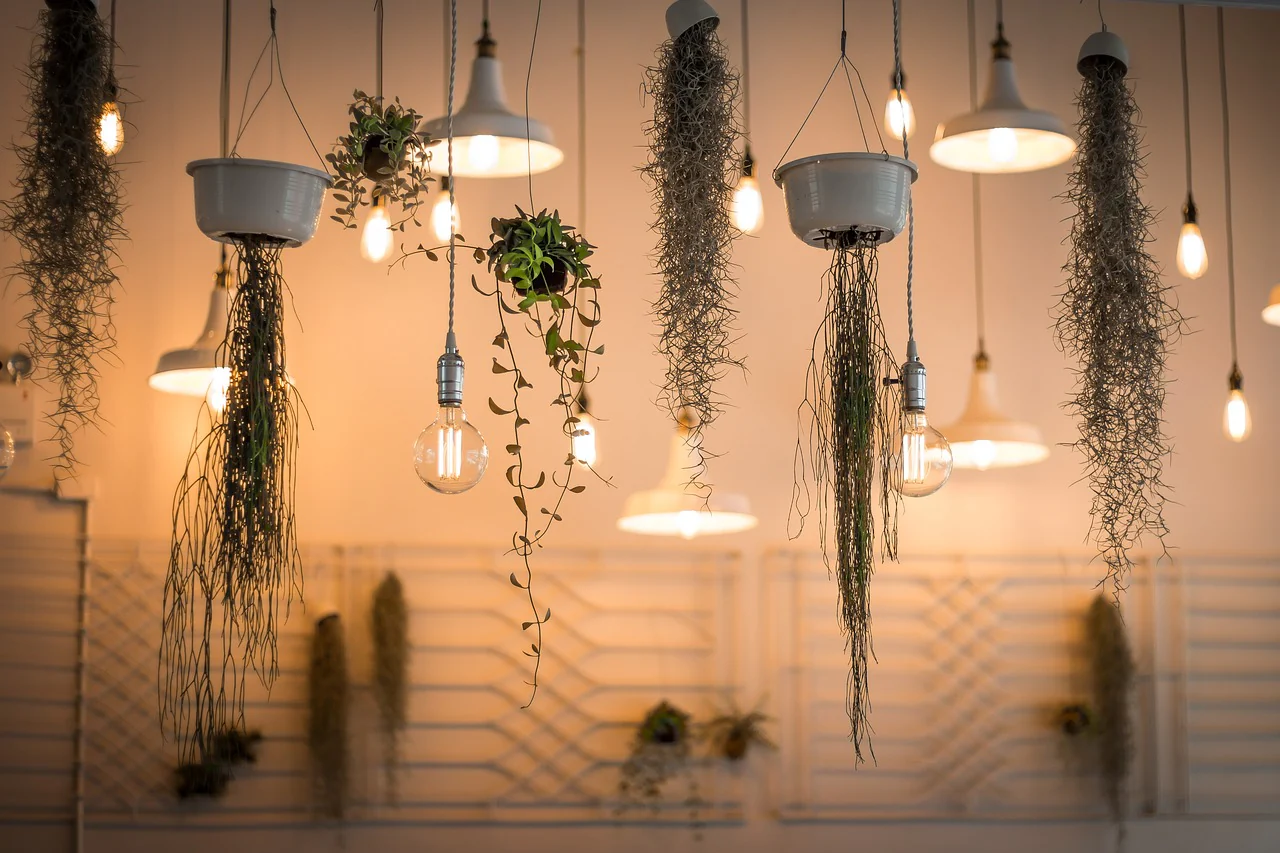
Lighting is one of the most powerful tools in interior design. When used correctly, it can completely transform the mood, functionality, and visual appeal of a space. Professional designers rely on a technique known as layered lighting to create depth, balance, and sophistication. Understanding how to layer lighting properly will help you design a home that feels both stylish and comfortable.
What Is Layered Lighting
Layered lighting is the practice of combining different types of light sources to achieve a well-balanced and functional environment. Instead of relying on a single light, this approach uses multiple layers to illuminate a room effectively.
Each layer serves a specific purpose. Together, they create a dynamic and visually appealing space that adapts to different needs throughout the day.
To explore modern lighting solutions for layered designs, visit for more details on Auvris Official Website
Understanding the Three Main Types of Lighting
Layered lighting is built on three primary types of lighting: ambient, task, and accent. Each plays a unique role in creating a complete lighting design.
Ambient lighting provides general illumination for the entire room. Task lighting focuses on specific activities such as reading or cooking. Accent lighting highlights features and adds visual interest.
Combining these three types ensures that your space is both functional and aesthetically pleasing.
Creating a Strong Ambient Lighting Base
Ambient lighting is the foundation of your lighting plan. It provides overall brightness and ensures that the room is evenly lit.
Ceiling fixtures such as chandeliers, recessed lights, or flush mounts are commonly used for this purpose. The goal is to eliminate dark areas while maintaining a comfortable level of brightness.
Choosing the right intensity and color temperature is essential for creating a welcoming atmosphere.
Adding Task Lighting for Functionality
Task lighting is essential for areas where specific activities take place. It provides focused illumination that improves visibility and reduces eye strain.
Examples include desk lamps, reading lights, and under-cabinet kitchen lighting. These fixtures should be placed strategically to ensure they serve their intended purpose effectively.
Proper task lighting enhances both comfort and productivity in your home.
Enhancing Spaces with Accent Lighting
Accent lighting adds depth and character to your interior design. It is used to highlight architectural features, artwork, or decorative elements.
Wall sconces, LED strips, and spotlights are commonly used for accent lighting. This layer creates visual interest and makes your space feel more dynamic.
Accent lighting is what gives a room its designer-quality finish.
Choosing the Right Fixtures
Selecting the right lighting fixtures is crucial for achieving a cohesive look. Fixtures should complement your overall design style and blend seamlessly with your decor.
Modern interiors often feature sleek and minimal fixtures, while traditional spaces may include more ornate designs. Mixing styles can work, but it should be done thoughtfully to maintain balance.
Quality fixtures not only improve aesthetics but also ensure long-term durability.
Balancing Light Intensity
Achieving the right balance of light intensity is key to successful layering. Too much brightness can feel harsh, while too little can make the space feel dull.
Using dimmers allows you to adjust light levels according to different needs and moods. This flexibility is essential for creating a comfortable environment.
Balancing intensity ensures that each layer of lighting works harmoniously with the others.
Considering Room Function
Each room in your home has different lighting requirements. Living rooms benefit from a mix of ambient, task, and accent lighting to create a versatile space.
Kitchens require strong task lighting for food preparation, while bedrooms need softer, more relaxing illumination.
Understanding the function of each room helps you design a lighting plan that meets your specific needs.
Using Lighting to Define Spaces
In open floor plans, lighting can be used to define different areas. For example, a pendant light can highlight a dining area, while floor lamps can create a cozy seating zone.
This approach helps organize the space without the need for physical barriers. It also adds visual structure and clarity to your layout.
Strategic lighting placement enhances both functionality and design.
Incorporating Natural Light
Natural light should be considered as part of your overall lighting plan. Maximizing daylight reduces the need for artificial lighting and creates a more inviting atmosphere.
Using sheer curtains or reflective surfaces can help distribute natural light throughout the room. Combining natural and artificial lighting ensures a balanced and dynamic environment.
Natural light adds warmth and enhances the overall appeal of your home.
Avoiding Common Layering Mistakes
One common mistake is neglecting one or more layers of lighting. Relying only on ambient lighting can make a room feel flat, while overusing accent lighting can create imbalance.
Another mistake is poor placement of fixtures, which can lead to uneven illumination. Careful planning and thoughtful design are essential for avoiding these issues.
Understanding these pitfalls helps you create a more effective lighting plan.
Personalizing Your Lighting Design
Your lighting should reflect your personal style and preferences. Whether you prefer a modern, minimalist look or a more decorative approach, your choices should align with your overall design vision.
Experimenting with different fixtures and arrangements can help you find the perfect combination. Personal touches make your space feel unique and inviting.
A well-designed lighting plan enhances both the beauty and functionality of your home.
Conclusion
Layered lighting is a fundamental aspect of interior design that can transform any space. By combining ambient, task, and accent lighting, you can create a balanced and visually appealing environment.
Thoughtful planning, proper fixture selection, and attention to detail are key to achieving a professional look. With the right approach, you can design a home that feels comfortable, stylish, and perfectly illuminated.
For more inspiration and premium lighting solutions, visit for more details on https://auvris.com/
